
Your Trusted HVAC Experts in Northwest Georgia

Founded in Cedartown, Georgia, Haynes Heating & Air Conditioning began with a simple mission: to bring quality HVAC service and honest craftsmanship to our local community. What started as a small, family-run business has grown into one of Northwest Georgia’s most respected HVAC providers. Over the years, we’ve embraced modern technologies, expanded our services, and built lasting relationships—while staying true to our roots: treating every home like it’s our own.
Our mission is to deliver comfort, efficiency, and peace of mind to every customer through expert HVAC solutions, dependable service, and trusted advice. We believe in doing the job right the first time—and backing it with service you can count on.
To become Northwest Georgia’s most trusted name in sustainable, high-efficiency HVAC solutions—delivering comfort, innovation, and peace of mind to every home and business we serve.
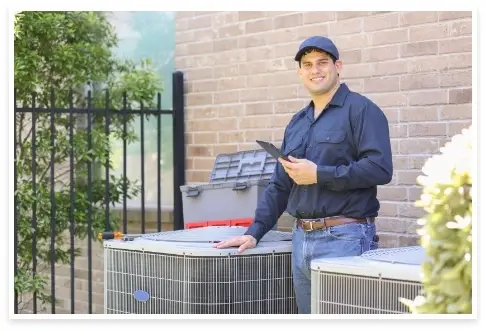

At Haynes HVAC, we believe in earning your trust, not just your business. We stand behind our work and take pride in being transparent, responsive, and respectful from start to finish.
Whether it’s your first service call or your tenth system upgrade—you can expect fair pricing, honest answers, and dependable results.
haynes heating and air, heat pump, furnace, air conditioning, indoor air quality, pump, heating and cooling, equipment, hvac system installation, hvac, duct, customer, construction, electrician, customer service, heating system, ventilation, warranty, haynes hvac, water heating, energy, chiller, roof, hvac repair, commercial hvac, request service, hvac contractor, residential hvac services, manufacturing, rheem manufacturing company, boiler, refrigerant, thermostat, efficiency, air purifier, new york city, electric heating, haynes heating and cooling, owner, price
haynes hvac, haynes heating and air, haynes heating and cooling, northwest georgia heating and air, haynes heating and air cedartown ga, haines heating and cooling, haynes air conditioning, haynes ac, haynes a c, haynes heating and air conditioning, haines hvac, hayneshvaccom company profile, haynes heating and air rome ga, hynes hvac, gas furnace repair shirley
At Haynes Heating & Air Conditioning Rome, we take pride in the satisfaction of our customers. Our clients often share their positive experiences, highlighting our prompt service, expert technicians, and the effectiveness of our HVAC solutions. These testimonials reflect our commitment to quality and customer care.
Many customers have noted how our team goes above and beyond to ensure their heating and cooling systems are functioning optimally. From installation to maintenance, our dedication to providing reliable service has earned us numerous 5-star reviews, reinforcing our reputation in the community.
Improving energy efficiency in your home is essential for reducing utility bills and environmental impact. Simple steps, such as regularly changing air filters, sealing leaks, and using programmable thermostats, can significantly enhance the performance of your HVAC system. At Haynes Heating & Air Conditioning Rome, we encourage our customers to adopt these practices for optimal system efficiency.
Additionally, investing in energy-efficient appliances and regular maintenance checks can prolong the lifespan of your HVAC system. Our team is always available to provide expert advice on the best energy-efficient solutions tailored to your home’s specific needs.
Understanding common HVAC issues can help you troubleshoot problems before they escalate. Frequent cycling, unusual noises, or inconsistent temperatures are signs that your system may require professional attention. At Haynes Heating & Air Conditioning Rome, we provide comprehensive diagnostic services to identify and resolve these issues efficiently.
We also educate our customers on preventive measures, such as regular maintenance and inspections, to avoid common pitfalls. By addressing these issues promptly, homeowners can ensure their HVAC systems operate smoothly and efficiently throughout the year.
Investing in HVAC services can be a significant expense, which is why we offer flexible financing options to make it more manageable. At Haynes Heating & Air Conditioning Rome, we believe that everyone deserves access to high-quality heating and cooling solutions without the burden of upfront costs.
Our financing plans are designed to fit various budgets, allowing customers to choose a payment plan that works for them. We aim to provide peace of mind, ensuring that your home remains comfortable year-round while also being financially sustainable.