
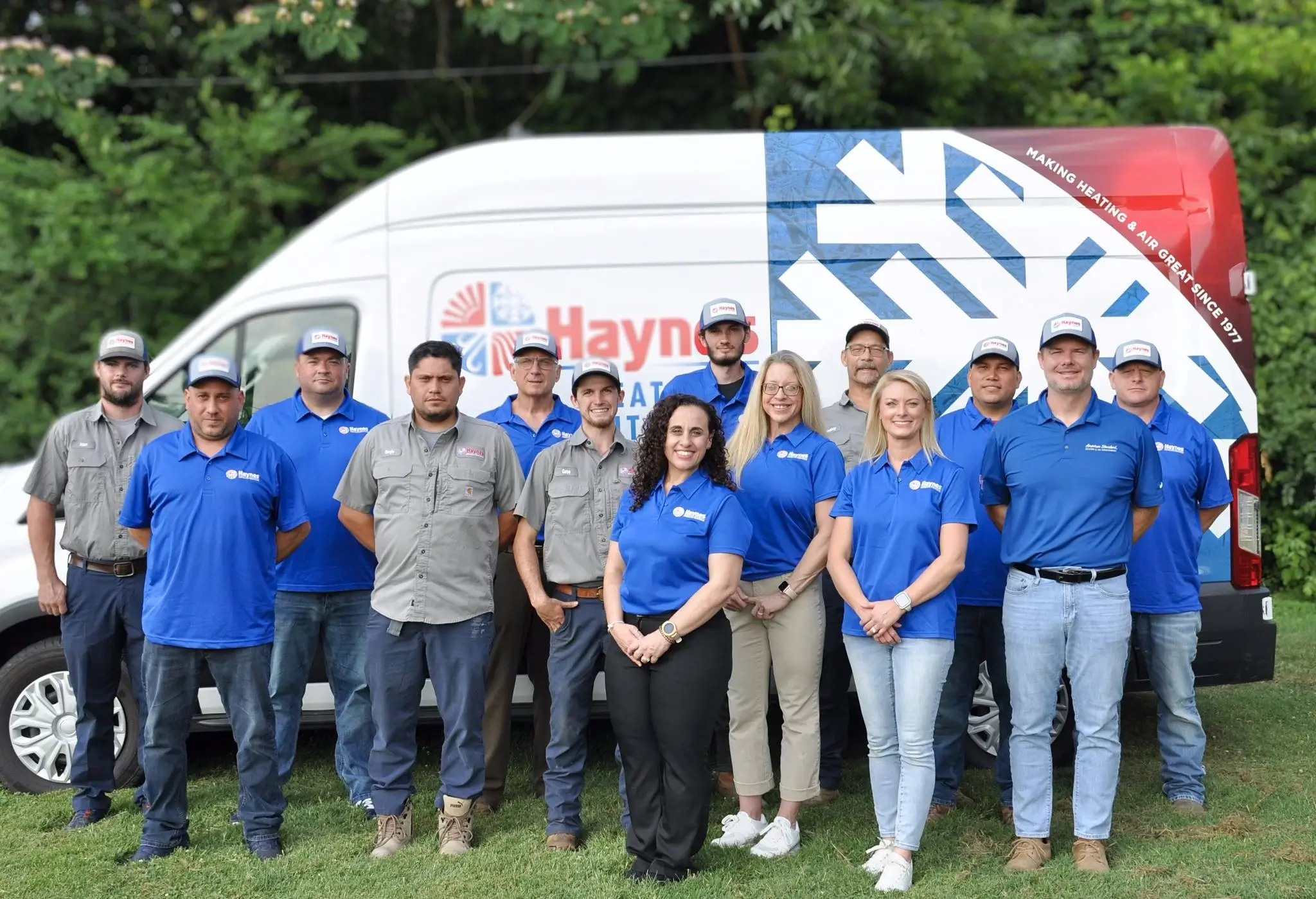
With nearly 50 years of service, our team brings unmatched HVAC experience right here in Carrollton and surrounding areas.
We invest in continuous training to stay current with the latest heat pump technology and industry standards.
We invest in continuous training to stay current with the latest heat pump technology and industry standards.
We offer transparent pricing, follow-up communication, and strong workmanship warranties to put your mind at ease.

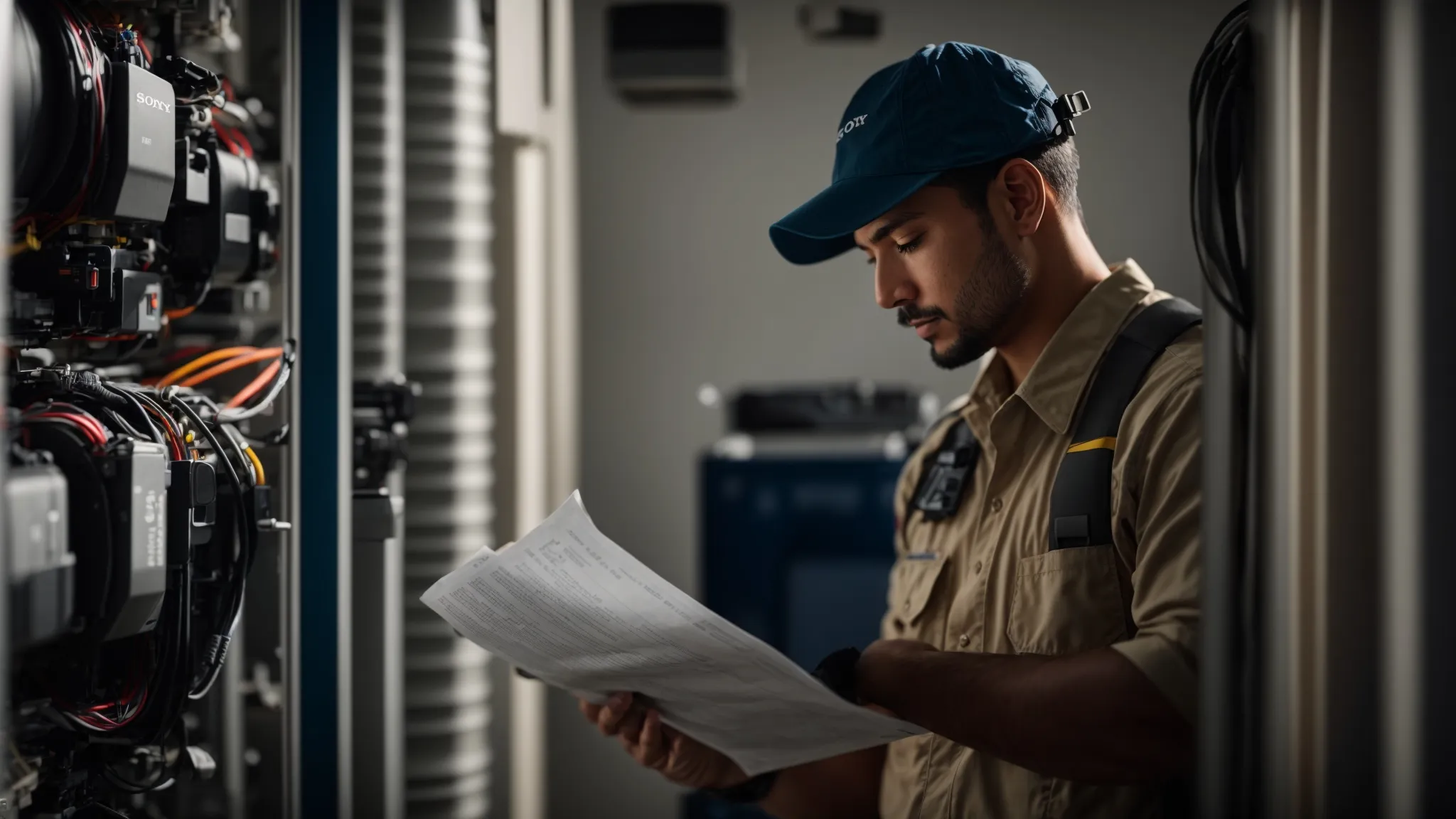
Choosing the right heat pump impacts both comfort and cost. Our technicians evaluate your home to recommend and install the ideal system for climate, layout, and usage patterns.
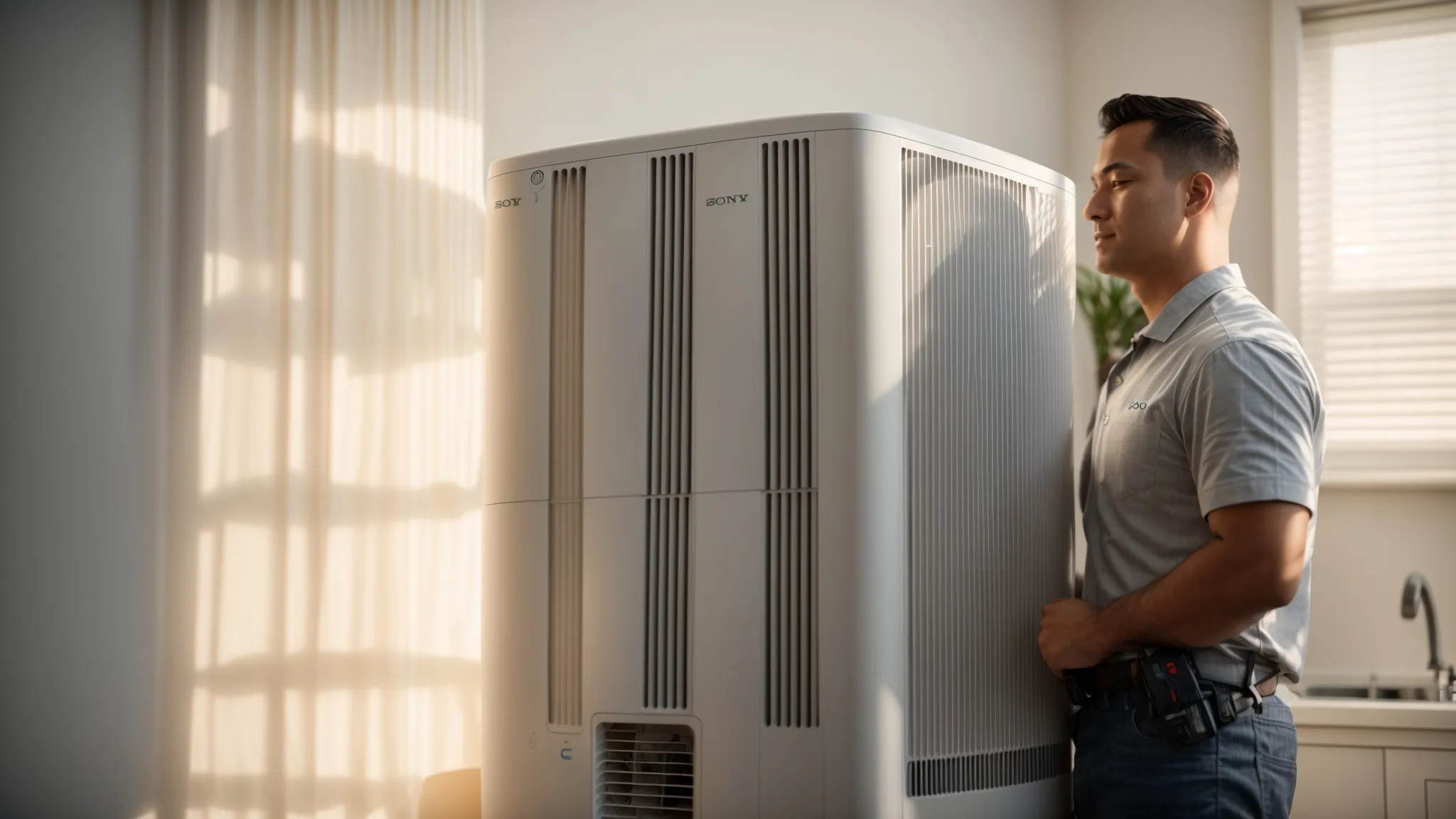
Routine maintenance keeps your system running efficiently and prevents unexpected breakdowns. From cleaning filters to inspecting coils, every check-up goes beyond just cleaning—it ensures peak performance.
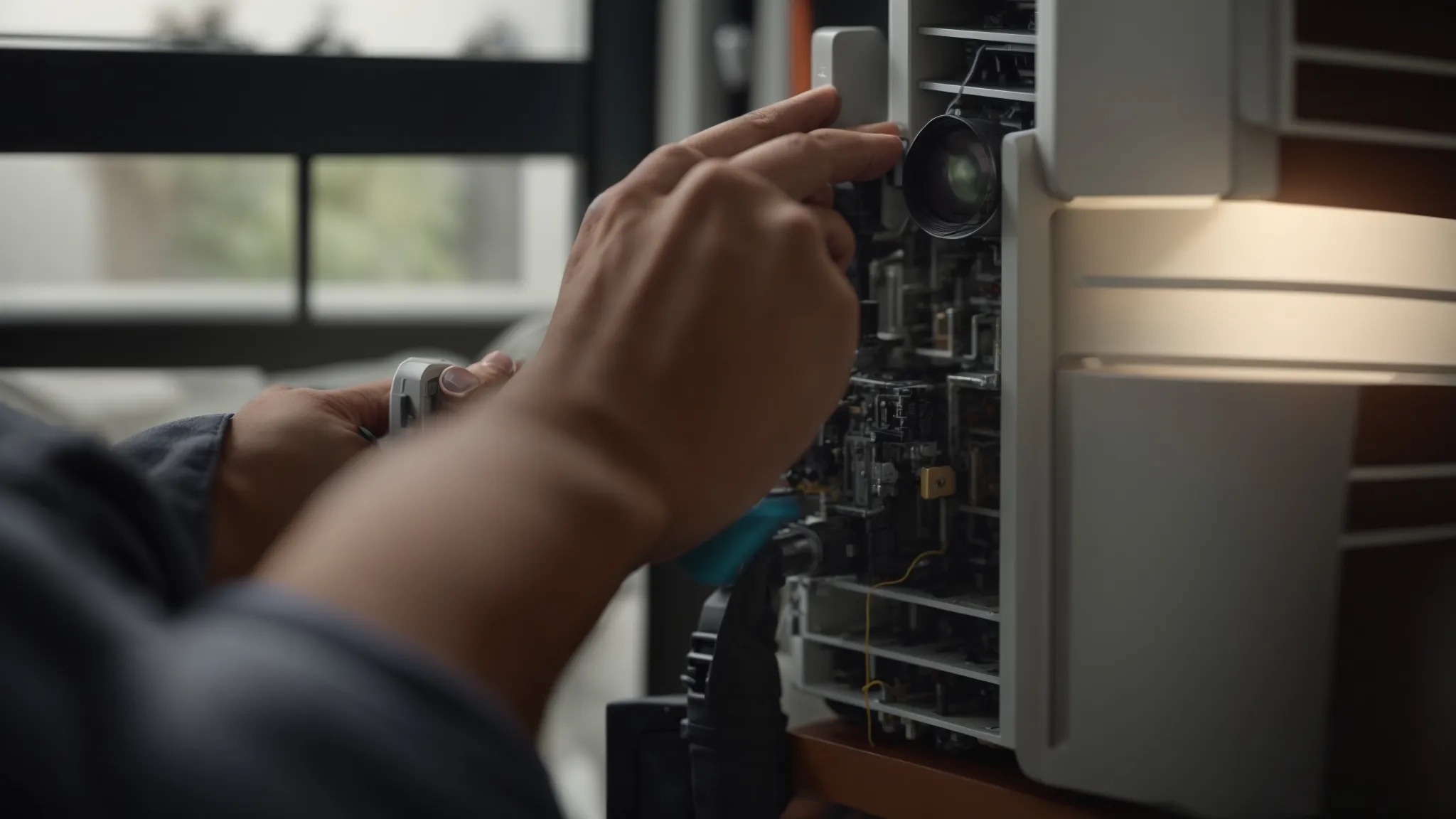
Add-on options like air purifiers and humidifiers enhance air quality while operating seamlessly with your heat pump for a healthier, more comfortable home environment.
We’re proud to serve Carrollton and surrounding Northwest Georgia communities, delivering timely and professional heat pump services that locals trust. Expect fast response times, same-day availability for emergencies, and a business rooted in community integrity.
Offers both heating in winter and cooling in summer, replacing the need for two separate systems.
By transferring heat instead of generating it, heat pumps deliver excellent energy savings, especially when properly maintained.
Typically smaller and quieter compared to traditional HVAC units.
Modern models use advanced refrigerants and variable speeds to reduce environmental impact while optimizing comfort.
Routine tune-ups increase system lifespan, improve energy efficiency, reduce repairs, and enhance indoor air quality by keeping parts clean and functioning smoothly.
Depending on system complexity and home layout, installation typically takes 4–10 hours. Our team provides clear timelines during your initial assessment.
If you’re referring to missing emails, please check your junk or spam folder—confirmation emails sometimes get filtered incorrectly.
Signs include frequent breakdowns, spiking energy bills, or uneven heating. Heat pumps over 15 years old often become inefficient and costlier to operate. We’re happy to inspect and advise if a replacement is more economical.
Yes—we offer flexible financing to make heat pump upgrades affordable, paired with transparent quotes and no hidden fees.
Absolutely. Our trained technicians are available for 24/7 emergency support to keep you comfortable when you need it most.
pump, heat pump, furnace, thermostat, indoor air quality, air conditioning, duct, warranty, refrigerant, seasonal energy efficiency ratio, efficiency, climate, technician, trane, compressor, air filter, smart thermostat, air conditioning repair, hvac, heat pump replacement, electrical services, heating maintenance, hvac contractor, heat pump maintenance, heating and cooling, air conditioning heating, maintenance program, heat pump repair, heat pump repairs, hvac services, hvac maintenance, equipment, replacement, emergency plumbing, metro atlanta, air handler, humidifier, customer, geothermal heating, emergency service, better business bureau, air source heat pump, humidity, carbon, wear and tear, heating system, electrician, natural gas, dehumidifier, air purifier, customer service, carbon footprint, energy, smyrna, piedmont, drain, heating services, furnace repair, commercial hvac services, heating and air, boiler, inspection, oil, central heating, energy star, sump pump, expert, customer satisfaction, knowledge, emergency, utility, ventilation, rebate
heat pump installation piedmont, heat pump cleaning piedmont, heat pump installation marietta ga, heat pump repair, emergency heat pump repair piedmont, heat pump installation marietta, heat pump installation smyrna ga, heat pump service smyrna ga, heat pump service marietta ga, heat pump replacement smyrna ga, heat pump maintenance piedmont, ac maintenance rockmart ga, furnace repair rockmart ga, heat pump service fiesta park home, heater maintenance rockmart ga, haynes seasonal comfort, heat pump installation carrollton, heat pump services carrollton, heat pump repair carrollton, haynes heating and air conditioning, heat pump repair carrollton ga, haynes heating and air cedartown, haynes heating and air, haynes air conditioning, air source heat pump installation hayes
Heat pumps operate by transferring heat from one place to another, making them a versatile option for both heating and cooling. They utilize a refrigeration cycle to absorb heat from the air or ground and move it indoors during winter months, while reversing the process to cool your home in summer. This technology allows for efficient energy use, making heat pumps a popular choice for homeowners looking to reduce their energy bills.
Modern heat pumps come equipped with advanced features such as variable-speed compressors and smart thermostats that optimize performance and comfort. By adjusting their output based on the current temperature and user preferences, these systems ensure a consistent and comfortable indoor environment while maximizing energy efficiency. This innovation is part of what sets Haynes Heating & Air Conditioning Rome apart in the HVAC industry.
Heat pumps, like any other HVAC system, can experience issues over time. Common problems include inadequate heating or cooling, strange noises, and refrigerant leaks. Identifying these issues early can prevent costly repairs and ensure your system operates efficiently. Regular maintenance services offered by Haynes Heating & Air Conditioning Rome can help detect these problems before they escalate.
For instance, if your heat pump is not heating properly, it may be due to a dirty air filter or a malfunctioning thermostat. In such cases, our certified technicians can perform routine checks and repairs to restore your system's functionality. Proactive measures, such as scheduling seasonal tune-ups, can significantly extend the lifespan of your heat pump and enhance its performance.
When considering HVAC options, many homeowners wonder how heat pumps stack up against traditional systems like furnaces and air conditioners. Heat pumps provide a dual function, serving as both heating and cooling systems, which can simplify installation and reduce overall costs. Additionally, they tend to have lower operating costs due to their energy-efficient design, making them an attractive option for many households.
In contrast, traditional HVAC systems typically require separate units for heating and cooling, leading to higher energy consumption and maintenance costs. By choosing a heat pump, you can enjoy year-round comfort while minimizing your carbon footprint. This commitment to sustainability is a core value of Haynes Heating & Air Conditioning Rome, ensuring that our customers benefit from both comfort and environmental responsibility.
Investing in a heat pump can be a significant financial commitment, but various financing options can make it more accessible. Many HVAC companies, including Haynes Heating & Air Conditioning Rome, offer flexible financing plans that allow homeowners to spread the cost of installation over time. This can help alleviate the upfront financial burden while still ensuring you have a reliable heating and cooling system in place.
Additionally, some energy efficiency programs and rebates may be available to offset the costs of purchasing a heat pump. These incentives promote the adoption of energy-efficient technologies, making it more affordable for homeowners to upgrade their systems. Our team at Haynes Heating & Air Conditioning Rome can assist you in exploring these financing options to find the best solution for your budget.