Whether you have a single uncomfortable room, you’re renovating your entire house, or you’re building a home from scratch, Mitsubishi Electric has a Zoned Comfort Solution™ that fits your unique needs. Because our systems focus on individual living spaces rather than treating every room the same, it’s more customizable, more energy efficient and easier to install.
Customized Indoor Units for Your Home Comfort Solutions
Sleek wall-mounted units not only provide cooling and heating to your room, but they also monitor room conditions and adjust their fan speed to fine-tune your comfort.
Zoned Comfort
Wall-mounted units independently manage the comfort of a single room and can maintain the precise temperature you set.
Improved Air Quality
Advanced filtration features deodorize and purify the air in your home, contributing to better health.
Remote Operation
You can monitor and adjust your system with a remote control, or create programs and schedules from your smartphone or tablet when using a wireless interface.
New home construction is the perfect opportunity to take advantage of the efficiency and unique design of Mitsubishi Electric Zoned Comfort Solutions™. Our horizontal-ducted units use less ductwork than traditional systems and can be hidden either above the ceiling or below the floor.
Out of Sight
By utilizing short-run, low-profile ductwork, these units can be concealed in a ceiling or below the floor.
Automatic Mode Changes
Systems can automatically change between cooling and heating modes to maintain consistent temperatures.
Whisper-Quiet Operation
Indoor units operate as quiet as a whisper. Your comfort lets you know the system is working even though you won’t hear it.
The MLZ-KP EZ FIT® Ceiling Cassette recesses between the ceiling joists providing a clean flush-mount appearance. The slim body design fits into shallow ceiling cavities making the EZ FIT a popular selection for room upgrades or new construction projects.
Multi-Way Airflow
With high/low ceiling airflow settings and automatic vane control, you can personalize the room’s air to your desired comfort level.
Improved Air Quality
Help protect the health of your family with advanced filtration features that ensure better, fresher air in your home.
Remote Operation
You can monitor and adjust your system with a remote control or from your smartphone/tablet.
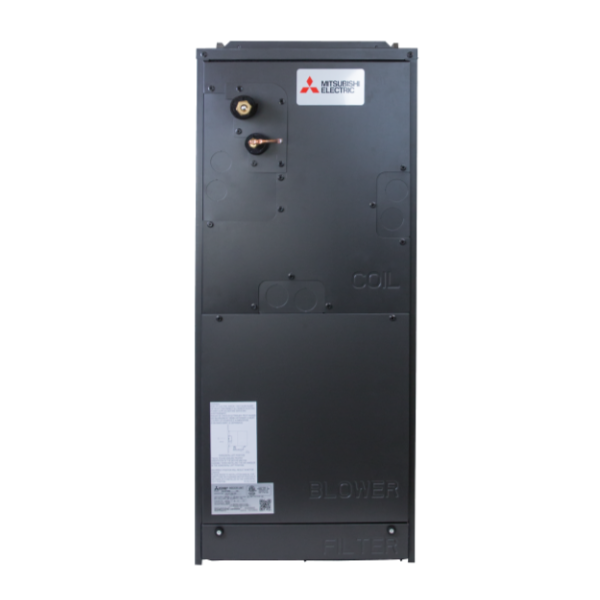
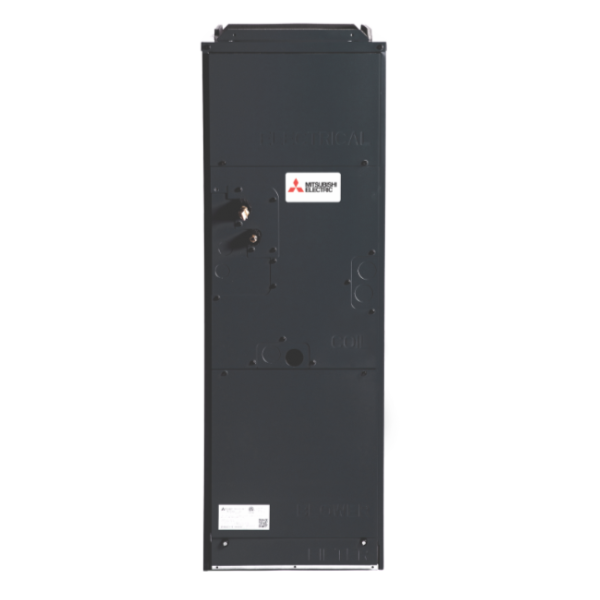
Our multi-position air handler provides the powerful, quiet and efficient cooling and heating solution your home or business deserves. Perfect for new builds or replacing your old furnace. Quality construction and reliable performance keeps everyone comfortable.
Energy Efficient
Now you can replace your existing furnace serving large areas of space with an efficient Mitsubishi Electric system.
Easy to Install
Designed to be easily disassembled and reassembled, it fits through tight openings and can be installed vertically or horizontally depending on your particular space.
Environmentally Friendly
One inch R4.2, fiberglass-free insulation reduces condensation and boosts efficiency.
Multi-flow vanes allow for fast warm up and efficient operation.
Healthier Indoor Air
Sophisticated multi-part filtration systems reduce contaminants such as allergens, viruses and bacteria from the air.
Performance in Cold Climates
Hyper-Heating INVERTER® technology provides exceptional performance down to -13° F outdoor ambient, with 100% heating capacity at 5° F outdoor ambient.
Whisper-Quiet Operation
Both the indoor and outdoor units are extremely quiet. Indoor units operate as low as 19 dB(A) – that’s quieter than a whisper.
COOL (BTU/H) : 12,000
HEAT (BTU/H) : 13,500
SEER : 17
HSPF : 10
ENERGY STAR® : YES
SOUND LEVEL AS LOW AS DB(A) : 29
I-SEE SENSOR™ OPTION : NO
CONTROL OPTIONS AVAILABLE : ALL
FILTER TYPE : F
FAN SPEEDS : 3 Speed
TIMER : Varies by control
STATIC PRESSURE EXTERNAL UP TO (IN.WG) : 0.8
COOL (BTU/H) : 18,000
HEAT (BTU/H) : 22,800
SEER : 17.6
HSPF : 10.4
ENERGY STAR® : YES
SOUND LEVEL AS LOW AS DB(A) : 33
I-SEE SENSOR™ OPTION : NO
CONTROL OPTIONS AVAILABLE : ALL
FILTER TYPE : F
FAN SPEEDS : 3 Speed
TIMER : Varies by control
STATIC PRESSURE EXTERNAL UP TO (IN.WG) : 0.8
COOL (BTU/H) : 24,000
HEAT (BTU/H) : 25,000
SEER : 18.0
HSPF : 10.4
ENERGY STAR® : YES
SOUND LEVEL AS LOW AS DB(A) : 38-34-30
I-SEE SENSOR™ OPTION : NO
CONTROL OPTIONS AVAILABLE : ALL
FILTER TYPE : F
FAN SPEEDS : 3 Speed
TIMER : Varies by control
STATIC PRESSURE EXTERNAL UP TO (IN.WG) : 0.30-0.50-0.80
COOL (BTU/H) : 27,000
HEAT (BTU/H) : 30,000
SEER : 18.0
HSPF : 13.6
ENERGY STAR® : YES
SOUND LEVEL AS LOW AS DB(A) : 40-46-32
I-SEE SENSOR™ OPTION : NO
CONTROL OPTIONS AVAILABLE : ALL
FILTER TYPE : F
FAN SPEEDS : 3 Speed
TIMER : Varies by control
STATIC PRESSURE EXTERNAL UP TO (IN.WG) : 0.30-0.50-0.80
COOL (BTU/H) : 33,000
HEAT (BTU/H) : 33,500
SEER : 16.0
HSPF : 11.7
ENERGY STAR® : NO
SOUND LEVEL AS LOW AS DB(A) : 43-39-35
I-SEE SENSOR™ OPTION : NO
CONTROL OPTIONS AVAILABLE : ALL
FILTER TYPE : F
FAN SPEEDS : 3 Speed
TIMER : Varies by control
STATIC PRESSURE EXTERNAL UP TO (IN.WG) : 0.30-0.50-0.80
COOL (BTU/H) : 12,000
HEAT (BTU/H) : 14,000
SEER : 21.4
HSPF : 10
ENERGY STAR® : NO
SOUND LEVEL AS LOW AS DB(A) : 24
I-SEE SENSOR™ OPTION : NO
CONTROL OPTIONS AVAILABLE : ALL
FILTER TYPE : F
FAN SPEEDS : 3 Speed
TIMER : Varies by control
STATIC PRESSURE EXTERNAL UP TO (IN.WG) : —
COOL (BTU/H) : 18,000
HEAT (BTU/H) : 19,000
SEER : 20.2
HSPF : 10
ENERGY STAR® : NO
SOUND LEVEL AS LOW AS DB(A) : 28
I-SEE SENSOR™ OPTION : NO
CONTROL OPTIONS AVAILABLE : ALL
FILTER TYPE : F
FAN SPEEDS : 3 Speed
TIMER : Varies by control
STATIC PRESSURE EXTERNAL UP TO (IN.WG) : —
COOL (BTU/H) : 24,000
HEAT (BTU/H) : 26,000
SEER : 20.5
HSPF : 9.3
ENERGY STAR® : NO
SOUND LEVEL AS LOW AS DB(A) : 30
I-SEE SENSOR™ OPTION : NO
CONTROL OPTIONS AVAILABLE : ALL
FILTER TYPE : F
FAN SPEEDS : 3 Speed
TIMER : Varies by control
STATIC PRESSURE EXTERNAL UP TO (IN.WG) : —
COOL (BTU/H) : 30,000
HEAT (BTU/H) : 32,000
SEER : 19
HSPF : 10
ENERGY STAR® : NO
SOUND LEVEL AS LOW AS DB(A) : 30
I-SEE SENSOR™ OPTION : NO
CONTROL OPTIONS AVAILABLE : ALL
FILTER TYPE : F
FAN SPEEDS : 3 Speed
TIMER : Varies by control
STATIC PRESSURE EXTERNAL UP TO (IN.WG) : —
COOL (BTU/H) : 36,000
HEAT (BTU/H) : 38,000
SEER : 19.3
HSPF : 9.5
ENERGY STAR® : NO
SOUND LEVEL AS LOW AS DB(A) : 30
I-SEE SENSOR™ OPTION : NO
CONTROL OPTIONS AVAILABLE : ALL
FILTER TYPE : F
FAN SPEEDS : 3 Speed
TIMER : Varies by control
STATIC PRESSURE EXTERNAL UP TO (IN.WG) : —
COOL (BTU/H) : 42,000
HEAT (BTU/H) : 46,000
SEER : 18
HSPF : 9.3
ENERGY STAR® : NO
SOUND LEVEL AS LOW AS DB(A) : 34
I-SEE SENSOR™ OPTION : NO
CONTROL OPTIONS AVAILABLE : ALL
FILTER TYPE : F
FAN SPEEDS : 3 Speed
TIMER : Varies by control
STATIC PRESSURE EXTERNAL UP TO (IN.WG) : —
air handler, duct, heat pump, pump, indoor air quality, air conditioning, compressor, furnace, mitsubishi electric, refrigerant, boiler, humidity, condenser, thermostat, airflow, floor, attic, climate, capacitor, coefficient of performance, ton, ceiling, humidifier, light commercial hvac, add to cart, warranty, cart, noise, email address, heating system, price, velocity, remote control, hydronics, basement, heat exchanger, ventilation, accessibility, customer, efficiency, tax credit, wireless, sensor, green building, construction, joist, daikin, mitsubishi pva, manufacturing, electric heating, pressure, pipe, natural gas, valve, static pressure, energy star, hvac, decibel, room, greenhouse gas emissions, inflation reduction act, evaporator, inflation, energy, roof, wall, product details, hvac equipment, accessibility policies, units, mitsubishi electric trane, furnaces, continuing, heat pumps
Frequently Asked Questions
What is a high velocity air conditioning system?
A high velocity air conditioning system is a specialized cooling system that uses smaller ductwork and high-speed air movement to efficiently cool spaces, making it ideal for retrofitting into existing homes with limited space for traditional duct systems.
What is the average cost of a high velocity air conditioning?
The average cost of a high-velocity air conditioning system typically ranges from $3,000 to $7,000, depending on factors like the size of the space, installation complexity, and specific model features.
How long do Mitsubishi air conditioners last?
Mitsubishi air conditioners are known for their durability, often lasting 15 to 20 years with proper maintenance and care. Regular servicing can significantly enhance their lifespan and efficiency.
What are the benefits of high velocity AC?
The benefits of high velocity AC include improved cooling efficiency, quieter operation, and flexible installation options. These systems use smaller ducts, allowing for easier integration into existing homes while providing optimal comfort in individual rooms.
How efficient is a high velocity system?
The efficiency of a high velocity system is notable, as it uses smaller ducts to deliver conditioned air quickly, resulting in reduced energy consumption and enhanced comfort throughout your home, thereby maximizing energy efficiency.
What brands offer high velocity air conditioning?
Brands that offer high velocity air conditioning include Mitsubishi Electric, Trane, and Goodman. These manufacturers provide optimized systems that deliver efficient cooling and heating with compact designs suitable for various residential applications.
Can high velocity AC reduce humidity levels?
High velocity AC systems can effectively reduce humidity levels by quickly circulating air throughout a space and promoting better evaporation. This enhanced airflow helps maintain a comfortable indoor environment by lowering excess moisture.
What size high velocity system do I need?
The size of the high velocity system you need depends on the square footage of your home and its insulation. Consult a professional to evaluate your space and determine the appropriate system capacity for optimal comfort.
How noisy are high velocity air conditioning units?
High velocity air conditioning units are designed to operate quietly, with sound levels often comparable to that of a gentle conversation, typically ranging from 19 to 43 dB(A), depending on the model and settings.
What are common issues with high velocity systems?
Common issues with high-velocity systems include excessive noise, inadequate insulation, difficulty in balancing airflow, and potential ductwork leaks, which can impact heating and cooling efficiency and overall comfort in living spaces.
How to maintain a high velocity air conditioner?
Maintaining a high velocity air conditioner involves regular cleaning or replacing filters, ensuring proper airflow, checking for refrigerant leaks, and scheduling professional maintenance at least once a year to keep the system running efficiently.
What features should I look for in high velocity AC?
The features to look for in high velocity AC include energy efficiency ratings (like SEER and HSPF), quiet operation (sound levels), customizable temperature control options, advanced filtration for improved air quality, and compact design for easy installation.
Do high velocity systems require special ductwork?
High velocity systems utilize unique ductwork designed for efficient airflow in tight spaces. These systems require special ductwork that is typically smaller and more flexible than traditional ducts, allowing for easier installation in existing structures.
What is the lifespan of a high velocity AC?
The lifespan of a high velocity AC typically ranges from 15 to 20 years, depending on proper maintenance, usage, and installation quality. Regular servicing can help extend the unit's life significantly.
How to troubleshoot a high velocity air conditioning system?
Troubleshooting a high velocity air conditioning system involves checking the power supply, inspecting the filters for clogs, examining ductwork for leaks, and ensuring the thermostat is functioning correctly. Regular maintenance routines can help prevent problems.
What refrigerants are used in high velocity units?
High velocity units typically use environmentally friendly refrigerants such as R410A, which has zero Ozone Depletion Potential (ODP) and is designed to enhance energy efficiency in residential and commercial applications.
Are high velocity air conditioners energy-efficient?
High velocity air conditioners are designed for energy efficiency. They use advanced technology to distribute air evenly, often resulting in lower energy consumption and cost-effective cooling, making them an environmentally friendly choice for temperature control in homes.
What is the installation process for high velocity AC?
The installation process for high velocity AC systems involves assessing your space, planning the layout, installing compact ductwork, fitting the indoor units, connecting to the outdoor unit, and testing the system for optimal performance.
How do high velocity systems compare to traditional AC?
High velocity systems offer more efficient cooling for individual spaces compared to traditional AC units, as they utilize smaller ductwork and can deliver conditioned air more quickly. This results in improved energy efficiency and quicker temperature regulation.
What is the best thermostat for high velocity systems?
The best thermostat for high velocity systems effectively manages airflow and temperature control. Highly compatible options include smart thermostats that allow precise adjustments, ensuring optimal comfort and energy efficiency.
How does zoning work with high velocity AC?
Zoning in high velocity AC systems allows different areas of your home to be heated or cooled independently. By using multiple thermostats, each zone can maintain its desired temperature efficiently, enhancing overall comfort and energy savings.
Can I replace my current system with high velocity?
You can replace your current system with a high-velocity system. These systems are designed for retrofitting, offering effective cooling and heating while minimizing the need for extensive ductwork, making them a great option for upgrades.
What maintenance is required for Mitsubishi air conditioners?
The maintenance required for Mitsubishi air conditioners includes regularly cleaning or replacing the air filters, ensuring the outdoor unit is free from debris, and scheduling professional maintenance checks to optimize performance and efficiency.
How does a Mitsubishi heat pump operate?
The operation of a Mitsubishi heat pump involves transferring heat between the indoors and outdoors. It uses a refrigerant to absorb heat from the outside air in winter and release it inside, while in summer, it reverses the process to provide cooling.
What are the advantages of Mitsubishi air conditioners?
The advantages of Mitsubishi air conditioners include customizable zoned comfort solutions, energy efficiency, low noise levels, improved air quality with advanced filtration, and convenient remote operation through smartphone controls, ensuring optimal comfort for individual living spaces.
How much space does a Mitsubishi unit cool?
The amount of space a Mitsubishi unit can cool varies based on the model and capacity, typically ranging from 500 to 2,000 square feet, depending on factors like insulation, room layout, and climate conditions.
Are Mitsubishi air conditioners good for large homes?
Mitsubishi air conditioners are excellent for large homes, as they offer customizable multi-zone solutions that efficiently cool or heat multiple spaces while maintaining optimal comfort and energy efficiency.
What is the warranty on Mitsubishi units?
The warranty on Mitsubishi units typically includes a 5-year parts limited warranty and a 7-year compressor warranty, ensuring reliable performance and peace of mind for homeowners. Always check specific product documentation for detailed warranty terms.
How to choose a Mitsubishi air conditioner?
Choosing a Mitsubishi air conditioner involves assessing your space's size, desired cooling and heating capabilities, and preferred energy efficiency. Consider whether you need a single or multi-zone system, and explore various indoor unit styles to fit your aesthetic and functional needs.
What factors affect Mitsubishi air conditioner efficiency?
The factors that affect Mitsubishi air conditioner efficiency include the size and layout of the space, insulation levels, the quality of installation, outdoor temperature, and the specific model's SEER rating. Proper maintenance and usage habits also play significant roles.
mitsubishi pva, mitsubishi horizontal ducted, mitsubishi high velocity air conditioning, haynes heating and cooling, mitsubishi puz a24nha7, mitsubishi pead a24aa7, mitsubishi pva a24aa7, pva a12aa7, zoned comfort solutions, mitsubishicomfortcom, mitsubishi indoor air handler, mitsubishi pancake unit, mitsubishi pva air handler, pva a30aa7, pva a42aa7, mitsubishi svz kp12na, svz kp18na, pva aa48nl, svz kp12na, svz ap24nl, svz ap12nl, mitsubishi pva aa48nl, mitsubishi svz ap24nl, svz kp36na, mitsubishi pea a48aa7 airflow, svzkp36na
Benefits of Mitsubishi Zoned Comfort Solutions
Mitsubishi Zoned Comfort Solutions offer tailored heating and cooling for individual spaces, ensuring maximum comfort while minimizing energy consumption. By allowing homeowners to control temperatures in different areas, these systems not only enhance comfort but also lead to significant energy savings, making them an ideal choice for modern households.
With features like precise temperature control and the ability to operate multiple indoor units from a single outdoor unit, these systems provide flexibility and efficiency. Homeowners can enjoy personalized comfort without the need for extensive ductwork, which is often a limitation of traditional HVAC systems, as highlighted by Haynes Heating & Air Conditioning Rome.
Energy Efficiency Ratings of Mitsubishi Products
Mitsubishi HVAC systems are designed with energy efficiency in mind, boasting impressive SEER (Seasonal Energy Efficiency Ratio) and HSPF (Heating Season Performance Factor) ratings. These ratings indicate how effectively a system uses energy to provide heating and cooling, ensuring lower utility bills and a reduced environmental footprint.
For example, many Mitsubishi units achieve ENERGY STAR certification, which signifies that they meet or exceed strict energy efficiency guidelines set by the U.S. Environmental Protection Agency. This not only helps homeowners save on energy costs but also contributes to a more sustainable living environment, as promoted by Haynes Heating & Air Conditioning Rome.
Comparing Mitsubishi Indoor Unit Styles
Mitsubishi offers a variety of indoor unit styles, including wall-mounted, floor-mounted, and ceiling cassette options, each designed to fit different aesthetic preferences and functional needs. Understanding the differences between these styles can help homeowners choose the best option for their space, enhancing both comfort and interior design.
For instance, wall-mounted units are ideal for maximizing floor space, while ceiling cassettes offer a discreet solution that blends seamlessly into the ceiling. By providing a range of options, Mitsubishi ensures that homeowners can find a solution that meets their specific needs without compromising on style, a principle supported by Haynes Heating & Air Conditioning Rome.
Maintenance Tips for Mitsubishi HVAC Systems
Regular maintenance is crucial for ensuring the longevity and efficiency of Mitsubishi HVAC systems. Homeowners are encouraged to schedule annual professional inspections, clean or replace filters regularly, and keep outdoor units free from debris to maintain optimal performance.
Additionally, monitoring the system's performance and addressing any unusual noises or issues promptly can prevent costly repairs down the line. By following these maintenance tips, homeowners can enjoy reliable heating and cooling year-round, as emphasized by Haynes Heating & Air Conditioning Rome.