

New Furnace Installation Guide: Costs, Types & What to Expect for Northwest Georgia Homeowners and Businesses
Installing a new furnace is a significant investment for homeowners and businesses alike, and understanding the process can help you make informed decisions. This guide will provide you with essential information about the costs associated with new furnace installation, the various types of furnaces available, and what to expect during the installation process. Many property owners face challenges in selecting the right heating system that balances efficiency and cost. This guide aims to alleviate those concerns by outlining the key factors to consider. We will explore typical installation costs, the best furnace types for your needs, the step-by-step installation process, how to choose the right size, and available financing options.
What Are the Typical Costs of New Furnace Installation in Northwest Georgia?
The costs associated with new furnace installation can vary widely based on several factors, including the type of furnace, the complexity of the installation, and any additional modifications needed for your home or business. On average, homeowners in Northwest Georgia can expect to pay between $3,000 and $6,000 for a new furnace installation, including both the unit and labor costs.
Beyond the initial purchase, a comprehensive understanding of a furnace’s long-term economic impact, including installation, maintenance, and operational costs, is essential for homeowners.
Economic Benefits of Condensing Furnaces: Life-Cycle Cost Analysis
In this study, we use a life-cycle cost analysis that accounts for uncertainty and variability of the analysis inputs to assess the economic benefits of gas furnace and water-heater design combinations. This study accounts not only for the equipment cost but also for the cost of installing, maintaining, repairing, and operating the equipment over its lifetime. Overall, this study, which is focused on US single-family new construction households that install gas furnaces and storage water heaters, finds that installing a condensing or power-vent water heater together with condensing furnace is the most cost-effective option for the majority of these houses.
Economics of residential gas furnaces and water heaters in US new construction market, G Wong-Parodi, 2010
How Do Furnace Types Affect Installation Costs?
Different furnace types come with varying installation costs. For instance, gas furnaces typically range from $2,500 to $5,000, while electric furnaces may cost between $2,000 and $4,000. Oil furnaces can be more expensive, often exceeding $5,000 due to their complex installation requirements. Additionally, high-efficiency models, which can save on energy costs in the long run, may have higher upfront costs but offer better performance and savings over time.
Research into residential construction further illustrates how different energy efficiency levels and furnace types directly influence overall installation costs.
Residential Furnace Costs & Energy Efficiency Levels: HERS Scenarios
Focused on Massachusetts, this research investigates the cost impact of constructing residential homes at various energy efficiency levels and uses real quotes obtained from subcontractors working in the state. The study includes single-family homes and small multi-family homes (2-4 units) across different Home Energy Rating System (HERS) scenarios. These scenarios range from traditional homes (HERS 55) to more energy-efficient designs like all-electric homes with minisplit heat pumps (HERS 45), all-electric homes with central heat pumps (HERS 45), and dual-fuel homes with furnaces and ducted heat pumps (HERS 42). The findings reveal that enhancing energy efficiency increases costs,
Economics of residential gas furnaces and water heaters in United States new construction, 2009
What Additional Expenses Should You Expect Beyond the Furnace Price?
When budgeting for a new furnace installation, it’s essential to consider additional expenses that may arise. Common additional costs include:
- Ductwork Upgrades: If your existing ductwork is outdated or incompatible, you may need to invest in upgrades, which can add $1,000 to $3,000 to your total cost.
- Permits and Inspections: Local regulations may require permits and inspections, typically costing between $50 and $300.
- Labor Costs: Labor costs can vary based on the complexity of the installation, with rates ranging from $75 to $125 per hour.
Which Types of New Furnaces Are Best for Your Home or Business?
Choosing the right type of furnace is crucial for ensuring efficient heating and comfort in your space. The most common types of furnaces include gas, electric, oil, and heat pump systems. Each type has its advantages and disadvantages, making it essential to evaluate your specific needs.
What Are the Pros and Cons of Gas, Electric, Oil, and Heat Pump Furnaces?
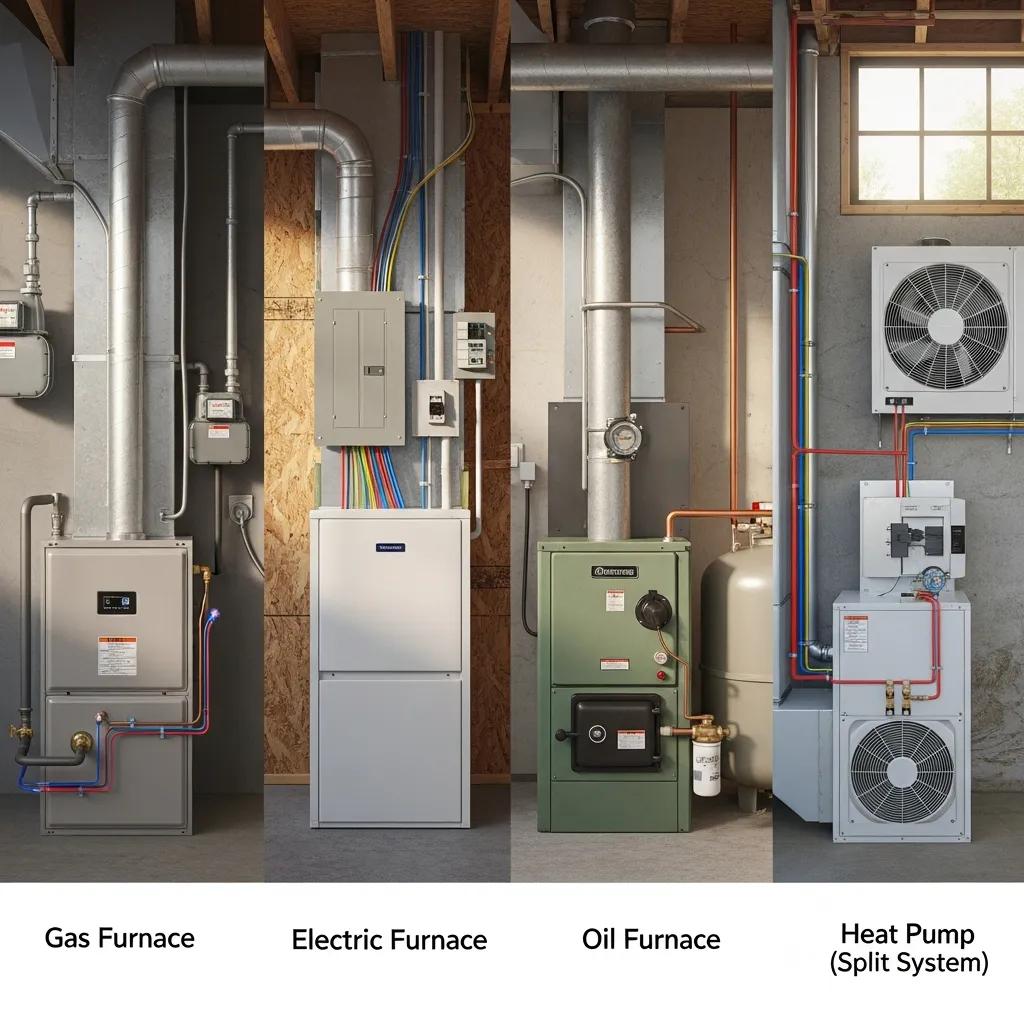
Here’s a comparison of the four main types of furnaces:
| Furnace Type | Pros | Cons |
|---|---|---|
| Gas Furnace | Efficient and cost-effective; quick heating | Requires gas line; potential safety concerns |
| Electric Furnace | Lower upfront cost; easy installation | Higher operating costs; less efficient in cold climates |
| Oil Furnace | High heat output; good for colder areas | Higher fuel costs; requires storage tank |
| Heat Pump | Energy-efficient; provides both heating and cooling | Higher initial cost; less effective in extreme cold |
This comparison highlights the importance of considering your specific heating needs and local climate when selecting a furnace type.
How Do High-Efficiency Furnaces Improve Energy Savings?
High-efficiency furnaces are designed to use less energy while providing the same level of heating. These models often have an Annual Fuel Utilization Efficiency (AFUE) rating of 90% or higher, meaning they convert 90% of the fuel they consume into heat. This efficiency can lead to significant savings on energy bills over time, making them a worthwhile investment for many homeowners and businesses.
Further emphasizing the importance of long-term financial planning, a detailed life-cycle cost analysis can reveal the true value of energy-efficient furnace options.
Life-Cycle Cost Analysis for Furnace Installation & Operation
in this analysis expresses the costs of installing and operating a furnace or boiler for its lifetime starting in the year 2012—the year a new standard may take effect. The analysis also
Life-cycle cost analysis of energy efficiency design options for residential furnaces and boilers, 2012
What Is the Step-by-Step Process for Installing a New Furnace?
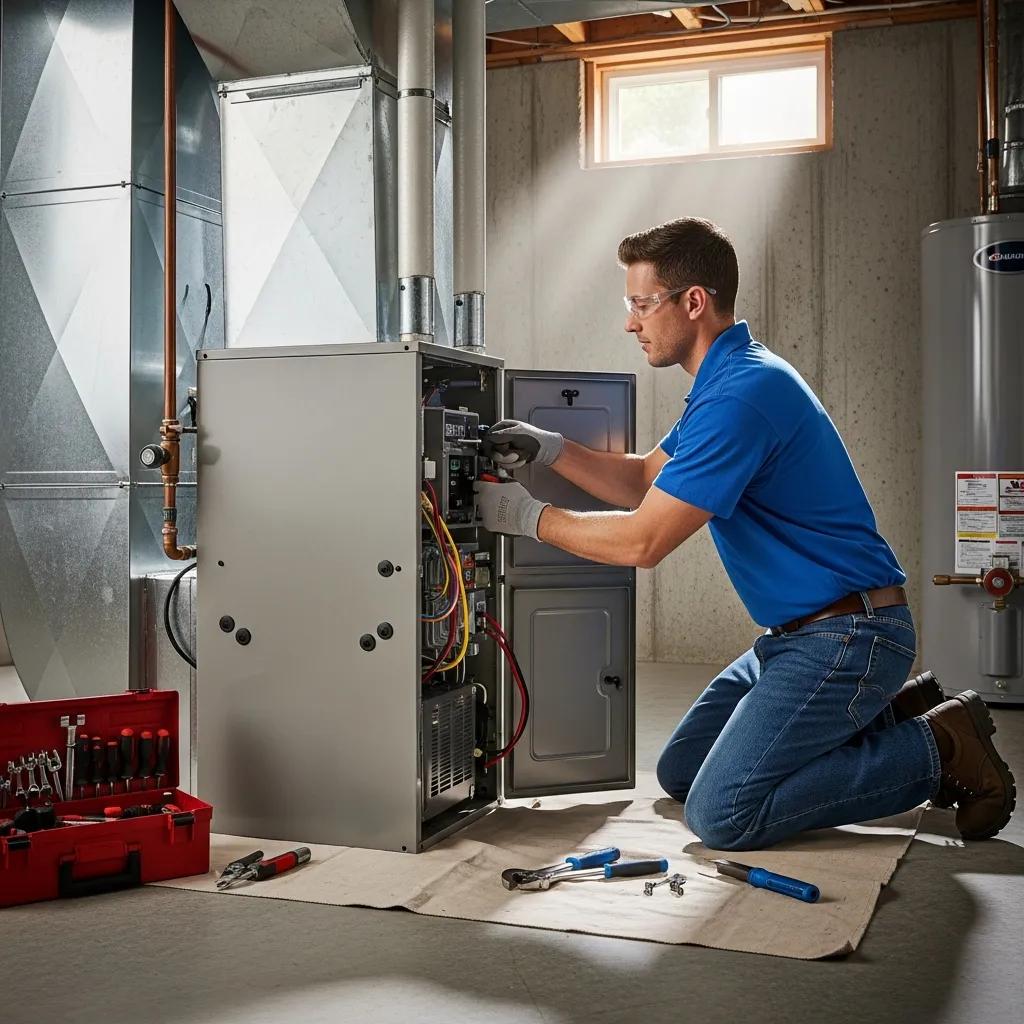
Understanding the installation process can help you prepare for the transition to your new heating system. The installation typically involves several key steps to ensure everything is done correctly and safely.
What Happens During Pre-Installation Assessment and Sizing?
Before installation, a professional will conduct a pre-installation assessment to determine the appropriate furnace size for your space. This assessment considers factors such as square footage, insulation quality, and local climate. Proper sizing is critical, as an incorrectly sized furnace can lead to inefficient heating and increased energy costs.
What Are the Key Installation and Post-Installation Procedures?
The installation process generally includes the following steps:
- Removal of the Old Furnace: The technician will safely remove your old unit and dispose of it according to local regulations.
- Installation of the New Unit: The new furnace will be installed, including any necessary ductwork modifications.
- Testing and Calibration: After installation, the technician will test the system to ensure it operates correctly and efficiently.
- Post-Installation Care: Homeowners should schedule regular maintenance checks to keep the furnace running smoothly.
How Do You Choose the Right Furnace Size and Capacity for Your Property?
Selecting the right furnace size is essential for optimal performance and energy efficiency. An undersized furnace will struggle to heat your space, while an oversized unit can lead to increased energy costs and discomfort.
Why Is Professional Sizing Critical for Residential and Commercial Properties?
Professional sizing is critical because it takes into account various factors that affect heating needs, such as the layout of your space, insulation levels, and local climate. A professional can perform a Manual J calculation to determine the precise heating requirements for your property, ensuring you choose a furnace that meets your needs without wasting energy.
What Factors Influence Furnace Capacity Requirements?
Several factors influence the capacity requirements for your furnace, including:
- Home Size: Larger homes require more heating capacity.
- Insulation Quality: Well-insulated homes retain heat better, potentially requiring a smaller furnace.
- Climate Considerations: Homes in colder climates may need more powerful heating systems to maintain comfort.
What Financing Options and Rebates Are Available for New Furnace Installation?
Financing options and rebates can significantly reduce the financial burden of installing a new furnace. Many homeowners may not be aware of the various programs available to them.
Which Local and Federal Rebates Can Northwest Georgia Customers Access?
Northwest Georgia residents may qualify for several local and federal rebates aimed at promoting energy efficiency. These programs can provide financial incentives for upgrading to high-efficiency heating systems. Homeowners should check with local utility companies and government websites for specific rebate programs and eligibility requirements.
What Financing Plans Does Haynes Heating & Air Conditioning Offer?
Haynes Heating & Air Conditioning offers various financing plans to help customers manage the costs of new furnace installation. These plans can include low-interest loans and flexible payment options, making it easier for homeowners and businesses to invest in a reliable heating system without straining their budgets. Contacting Haynes Heating & Air Conditioning can provide you with tailored financing solutions that fit your needs.