
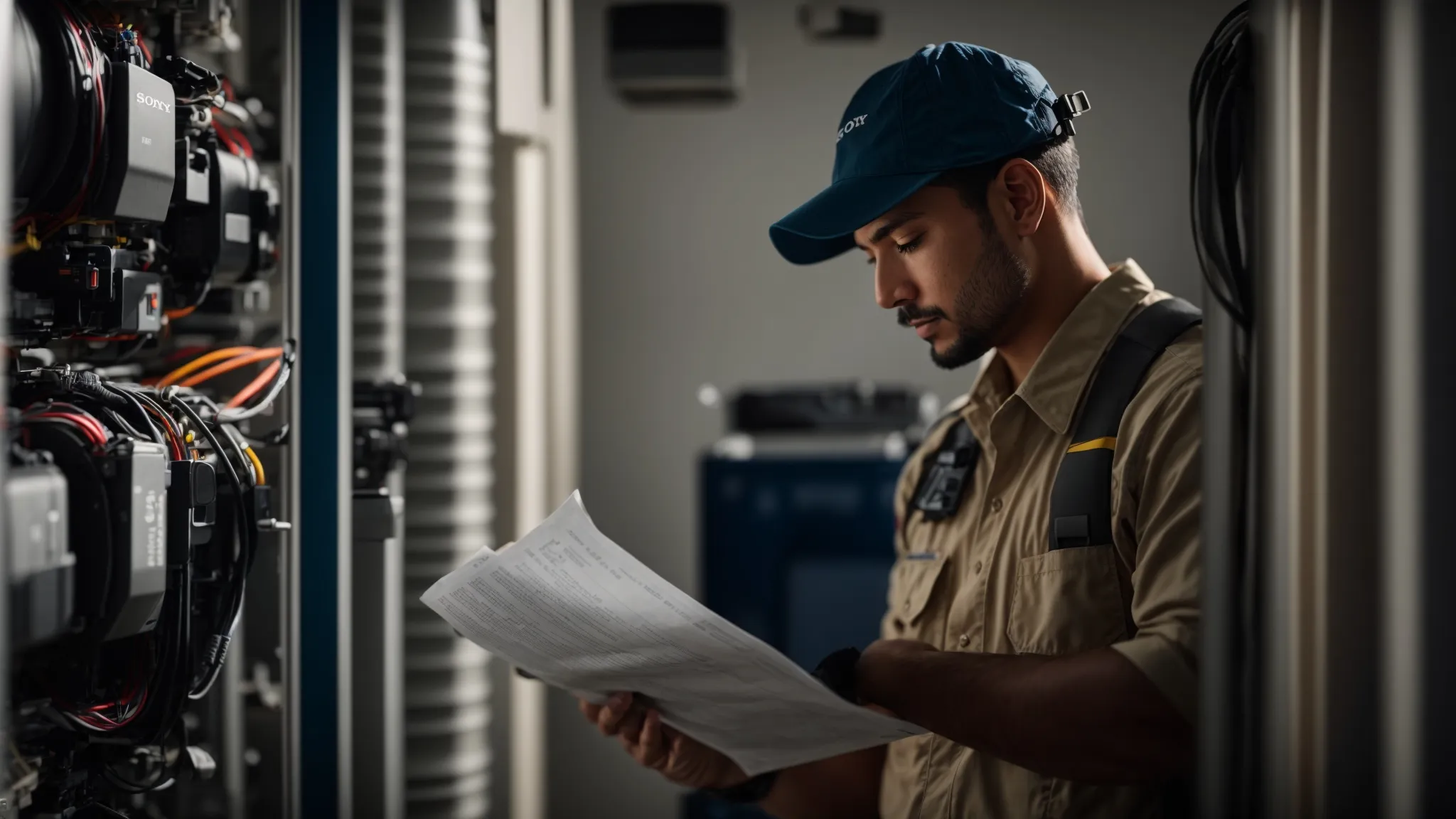
Professional Indoor Air Quality Testing & Assessment
Our NATE-certified technicians provide comprehensive air quality testing and inspection services to identify pollutants, allergens, and contaminants affecting your family's health and comfort in your home.
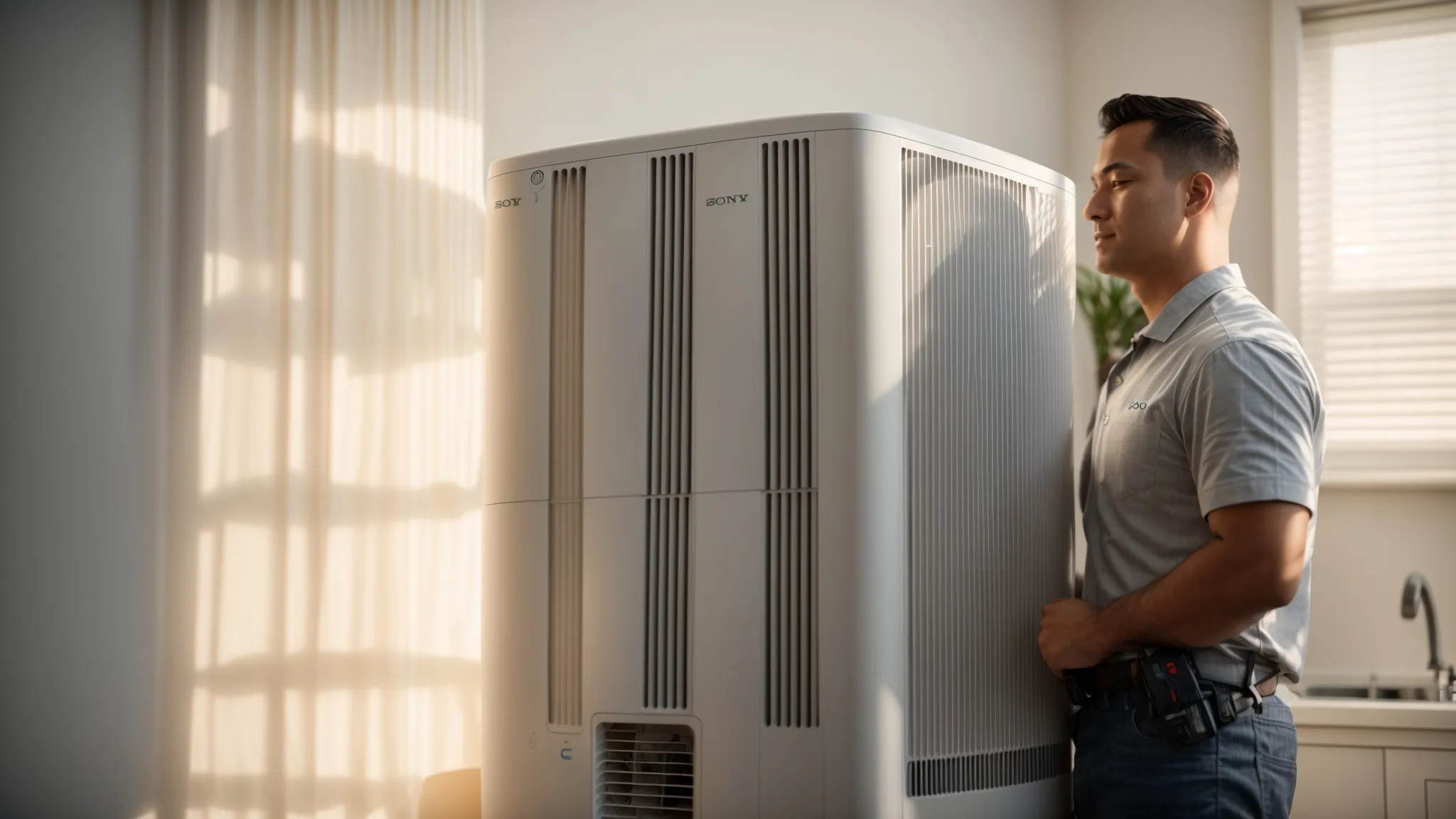
Complete Air Purification Solutions
From advanced filtration systems to UV air purifiers and whole-home dehumidifiers, we install and maintain indoor air quality equipment designed to keep your family breathing clean, healthy air year-round.
Mold Assessment & Remediation Support
Professional mold inspection and assessment services to identify moisture problems and mold growth in your home, with expert recommendations for remediation and prevention strategies.
Our Residential Indoor Air Quality Services
Comprehensive Air Quality Testing
Testing and analysis of your home’s air quality including measurement of particulates, allergens, volatile organic compounds (VOCs), humidity levels, and other contaminants that can affect your family’s health and comfort.
Mold Inspection & Assessment
Thorough inspection of your home for mold growth, moisture problems, and conditions that promote mold development. We identify problem areas and provide detailed recommendations for remediation and prevention.
Air Filtration System Installation
Professional installation of high-efficiency air filtration systems including HEPA filters, electronic air cleaners, and media filters designed to remove airborne particles, allergens, and contaminants from your home’s air supply.
UV Air Purification Systems
Installation of ultraviolet air purification systems that eliminate bacteria, viruses, mold spores, and other biological contaminants as air circulates through your home’s HVAC system.
Whole-Home Dehumidification
Installation and maintenance of whole-home dehumidifiers to control moisture levels, prevent mold growth, and create a more comfortable, healthier indoor environment for your family.
Whole-Home Humidification
Installation of whole-home humidification systems to add proper moisture levels during dry seasons, reducing respiratory irritation and protecting your family’s comfort and your home’s furnishings.
Ductwork Cleaning & Sealing
Ductwork cleaning to remove accumulated dust, debris, and contaminants, plus duct sealing services to prevent outside pollutants from entering your home’s air distribution system.
Ventilation System Assessment
Evaluation and improvement of your home’s ventilation systems to ensure proper fresh air exchange while maintaining energy efficiency and indoor air quality standards.
Create a Healthier Home Environment with With Improved Indoor Air Quality
For nearly five decades, Haynes Heating & Air Conditioning has helped thousands of Northwest Georgia families create healthier, more comfortable homes. Our indoor air quality expertise ensures your family breathes cleaner air while enjoying improved comfort and well-being.
Protect Your Family's Health
Poor indoor air quality can trigger allergies, asthma, and respiratory problems. Our solutions remove harmful pollutants, allergens, and contaminants to create a healthier living environment for your loved ones.
Reduce Allergy & Asthma Symptoms
Advanced air filtration and purification systems significantly reduce common allergens like dust mites, pet dander, pollen, and mold spores that can trigger uncomfortable symptoms.
Eliminate Odors & VOCs
Our air quality solutions remove household odors, cooking smells, and volatile organic compounds from cleaning products, paints, and furnishings for fresher, cleaner indoor air.
Prevent Mold & Moisture Problems
Proper humidity control and ventilation prevent mold growth and moisture damage while creating optimal comfort levels throughout your home.
Signs Your Home Needs Air Quality Improvement
Persistent Allergy or Respiratory Symptoms
If family members experience ongoing sneezing, coughing, watery eyes, or respiratory irritation when at home, poor indoor air quality may be the culprit requiring professional assessment and solutions.
Musty Odors or Visible Mold
Musty smells, visible mold growth, or water damage indicates moisture problems and potential mold contamination that requires immediate professional inspection and remediation planning.
Family Members with Compromised Immunity
Homes with elderly family members, young children, or anyone with respiratory conditions benefit significantly from professional air quality improvements and ongoing monitoring.
Poor Ventilation & Stuffiness
Stale air, lingering cooking odors, or stuffiness indicates inadequate ventilation that can trap pollutants and reduce air quality throughout your home.
Humidity Problems
Consistently high humidity (sticky, muggy conditions) or low humidity (dry skin, static electricity) indicates your home needs professional humidity control solutions for optimal comfort and health.
Excessive Dust Accumulation
If your home requires frequent dusting or you notice dust buildup shortly after cleaning, your HVAC system may need better filtration or ductwork cleaning services.
Our Indoor Air Quality Assessment Process
1. Comprehensive Home Inspection
We conduct a thorough inspection of your home from potential moisture sources, to ventilation adequacy.
2. Air Quality Testing & Analysis
Professional testing for particulates, allergens, humidity levels, and other contaminants.
3. Mold & Moisture Assessment
Detailed evaluation of areas prone to mold growth.
4. Custom Solution Design
Air quality improvement plan tailored to your home and budget.
5. Professional Installation
Expert installation of recommended air quality equipment.
6. Ongoing Monitoring & Maintenance
Regular maintenance services and follow-up testing.

Most homeowners see 30-70% reduction in heating and cooling costs. Actual savings depend on your current system efficiency, home size, usage patterns, and local utility rates.
Geothermal heat pumps typically last 20-25 years, while ground loops can last 50+ years. This longevity makes geothermal an excellent long-term investment for your home.
Most residential properties can accommodate geothermal systems. We offer vertical loops for smaller lots and horizontal loops for properties with more space. We'll assess your specific situation during our site evaluation.
Yes, federal tax credits and local utility rebates are often available for geothermal installations. We stay current on available incentives and help homeowners understand their options.
Geothermal systems are extremely quiet since there's no outdoor condensing unit. The indoor heat pump operates much quieter than conventional HVAC systems, providing peaceful home comfort.
Geothermal systems require minimal maintenance - primarily annual inspections, filter changes, and periodic system checks. Much less maintenance than conventional heating and cooling systems.
Contact Haynes HVAC for a Free Indoor Air Quality Estimate
new york city, bedroom, elevator, lobby, pollution, air pollution, indoor air quality, air purifier, american lung association, asthma, disease, dust, mold, radon, ventilation, risk, allergen, allergy, lung cancer, hepa, lung, dander, climate change, cooking, fossil fuel, humidity, irritation, ashrae, tobacco smoke, carbon dioxide, sick building syndrome, breathing, climate, cough, policy, nitrogen dioxide, carbon, airflow, concentration, wildfire, vacuum cleaner, ultraviolet, zip code, stove, combustion, odor, mite, carbon monoxide, illinois, health care, nose, research, pollen, energy, dehumidifier, formaldehyde, bacteria, fatigue, pandemic, air filter, particulates, duct, filtration, ventilator, furnace, air conditioning, minimum efficiency reporting value, mildew, contamination, ozone, add to cart, hvac, pollutant, microorganism, sensor, cart, haven, laboratory, air handler, warranty, shopping cart, whole house fan, quietcool whole house fan, ac unit for house, home ac unit, new ac unit for house, indoor ac unit, air filters for house, whole house fan cost, home ac, home depot ac, best home air purifier, home air purifier, whole house air purifier, whole home air purifier, house air purifier, central air purifier, home air filtration, home air, aprilaire whole house air purifier
Frequently Asked Questions
Are whole house air purifiers worth it?
Whole house air purifiers are worth it as they significantly improve indoor air quality by filtering out allergens, pollutants, and odors, creating a healthier living environment throughout your home.
Is air quality better indoors?
The air quality indoors can often be worse than outdoors due to pollutants like dust, pet dander, and chemicals. Proper ventilation and air purification systems are essential to ensure a healthier indoor environment.
How to keep indoor air healthy when outside air quality is bad?
Keeping indoor air healthy when outside air quality is bad involves using air purifiers, sealing windows and doors, and optimizing your HVAC system. Regular maintenance and filter changes will also help maintain clean indoor air quality.
How do you keep indoor air healthy?
Keeping indoor air healthy involves regularly changing air filters, using air purifiers, maintaining optimal humidity levels, and scheduling professional HVAC maintenance to ensure efficient airflow and prevent pollutants from accumulating.
What are the symptoms of toxic air in the house?
The symptoms of toxic air in the house include frequent headaches, respiratory issues, fatigue, dizziness, and irritation of the eyes, nose, or throat. These signs often indicate poor indoor air quality that may require immediate attention.
Are indoor air conditioners safe?
Indoor air conditioners are generally safe when properly installed and maintained. Regular servicing ensures they operate efficiently and do not negatively impact indoor air quality, providing a comfortable and healthy environment for your home.
Can a house be too air tight?
A house can be too air tight if it restricts adequate ventilation, leading to the buildup of indoor pollutants and moisture. Proper balance is essential for maintaining both energy efficiency and healthy indoor air quality.
Is indoor air more polluted?
Indoor air can be more polluted than outdoor air due to the accumulation of dust, allergens, and volatile organic compounds from household products and activities. This pollution can adversely affect your health and comfort at home.
What is a healthy indoor air temperature?
The healthy indoor air temperature is typically recommended to be between 68°F and 72°F (20°C to 22°C). Maintaining this range promotes comfort and helps ensure optimal indoor air quality.
What indoor plants improve air quality?
Indoor plants that improve air quality include snake plants, peace lilies, and spider plants. These plants effectively filter toxins and increase oxygen levels, contributing to a healthier indoor environment.
How do air purifiers improve indoor air quality?
Air purifiers improve indoor air quality by filtering out contaminants such as dust, pollen, pet dander, and airborne pollutants, which can lead to respiratory issues. They effectively reduce allergens and harmful particles, promoting a healthier living environment.
What types of indoor air pollutants exist?
The types of indoor air pollutants include particulate matter, volatile organic compounds (VOCs), mold, dust mites, pollen, pet dander, smoke, and carbon monoxide. These substances can significantly affect indoor air quality and overall health.
Can houseplants effectively purify indoor air?
Houseplants can effectively purify indoor air. They absorb toxins and produce oxygen, improving air quality in your home, making them a beneficial addition to your indoor environment.
What factors affect indoor air quality?
The factors that affect indoor air quality include outdoor pollution, inadequate ventilation, humidity levels, presence of allergens or toxins, and the use of certain household products. These elements can significantly influence the comfort and health of your home environment.
How often should air filters be changed?
Air filters should be changed regularly to maintain optimal indoor air quality. Typically, it's recommended to replace them every 1 to 3 months, depending on usage and the type of filter.
Do carbon monoxide detectors improve air safety?
Carbon monoxide detectors enhance air safety by alerting homeowners to the presence of this hazardous gas. By providing early warnings, they can prevent carbon monoxide poisoning and ensure a safer indoor environment.
What are the best indoor air quality monitors?
The best indoor air quality monitors provide real-time data on pollutants, humidity, and temperature. Top options include the Nest Protect, AirVisual Pro, and Eve Room, which offer reliable performance and user-friendly interfaces for effective air quality assessment.
Can humidity levels impact indoor air quality?
Humidity levels can significantly impact indoor air quality. High humidity can promote mold and dust mites, while low humidity can lead to respiratory issues and dry skin. Maintaining balanced humidity levels is crucial for a healthy home environment.
What ventilation methods enhance indoor air quality?
Effective ventilation methods that enhance indoor air quality include whole-house ventilation systems, exhaust fans, and natural ventilation. These strategies help remove indoor air pollutants, increase fresh air circulation, and maintain comfortable humidity levels in your home.
How to reduce indoor air pollution sources?
Reducing indoor air pollution sources involves several effective strategies. Ensure proper ventilation, use air purifiers with HEPA filters, minimize the use of volatile organic compounds (VOCs) in cleaning products, and regularly maintain HVAC systems to improve air quality.
Are portable air purifiers effective for allergies?
Portable air purifiers are effective for alleviating allergies. They work by filtering out allergens such as pollen, dust mites, and pet dander, significantly improving indoor air quality and reducing allergy symptoms in your home.
What symptoms indicate poor indoor air quality?
The symptoms that indicate poor indoor air quality include persistent respiratory issues, headaches, fatigue, and noticeable odors. Additionally, increased allergy symptoms and frequent illness may also signal that your indoor air quality needs improvement.
How does cooking affect indoor air pollution?
Cooking can significantly impact indoor air pollution levels. The process generates pollutants such as smoke, grease, and volatile organic compounds (VOCs) from various ingredients, which can deteriorate indoor air quality if not properly ventilated.
What role does ventilation play in air quality?
The role of ventilation in air quality is essential. Proper ventilation helps to remove pollutants, reduce humidity, and introduce fresh air into the home, significantly improving overall indoor air quality and creating a healthier living environment.
Can pets contribute to indoor air pollution?
Pets can contribute to indoor air pollution. Their dander, fur, and saliva can circulate in the air, potentially irritating allergies and respiratory issues for some individuals. Regular cleaning and proper ventilation can help mitigate these effects.
What is the impact of outdoor air quality indoors?
The impact of outdoor air quality indoors is significant, as pollutants such as dust, pollen, and chemicals can infiltrate homes, adversely affecting indoor air quality and leading to health issues and discomfort for residents.
How do chemicals in cleaning products affect air quality?
Chemicals in cleaning products significantly affect indoor air quality. They can release volatile organic compounds (VOCs) that contribute to air pollution and may cause respiratory issues, allergies, and other health problems when inhaled, compromising overall home comfort.
What temperature range is considered healthy indoors?
The healthy indoor temperature range is typically between 68°F and 72°F (20°C to 22°C). Maintaining this range helps ensure optimal comfort and air quality in your home.
Are there specific plants that filter toxins?
Certain plants are known for their ability to filter toxins from the air, such as spider plants, peace lilies, and snake plants. These plants can help improve indoor air quality by removing pollutants and promoting a healthier living environment.
How can air quality be improved in older homes?
Improving air quality in older homes can be achieved by ensuring proper ventilation, replacing or cleaning air filters regularly, using air purifiers, sealing leaks, and considering the installation of a modern HVAC system designed for higher efficiency and better air circulation.
indoor air quality services piedmont, house air, healthy indoor air, indoor air quality piedmont, indoor air quality services cedar grove, spray air filtration georgia, indoor air quality monitoring services piedmont, dehumidifier maintenance piedmont, comfort care rome ga, air filtration maintenance piedmont, indoor air quality testing rome, indoor air quality services rome ny, indoor air quality testing statesboro, indoor air quality blackshear ga, indoor air quality folkston ga, indoor air quality dock junction ga
Understanding Indoor Air Quality Standards
Indoor air quality (IAQ) standards are essential for ensuring that the air in your home is safe and healthy. Various organizations, including the Environmental Protection Agency (EPA), set guidelines that define acceptable levels of pollutants and allergens. Understanding these standards helps homeowners recognize the importance of maintaining good air quality for their family's health.
For instance, the EPA recommends that indoor air quality testing should include measurements of particulate matter, volatile organic compounds (VOCs), and humidity levels. By adhering to these standards, homeowners can take proactive steps to improve their indoor environment, ensuring a healthier living space for their families, as emphasized by Haynes Heating & Air Conditioning Rome.
The Benefits of Regular Air Quality Assessments
Regular air quality assessments are vital for identifying potential hazards in your home environment. These assessments help detect pollutants that may not be visible but can significantly impact your family's health. Scheduling routine evaluations with professionals ensures that any emerging issues are addressed promptly, maintaining a safe indoor atmosphere.
Moreover, regular assessments can lead to long-term cost savings by preventing major health issues and reducing the need for extensive remediation efforts. By investing in these assessments, homeowners can enjoy peace of mind knowing they are actively working to enhance their indoor air quality, as supported by the expertise of Haynes Heating & Air Conditioning Rome.
Advanced Technologies in Air Purification
The field of air purification technology has advanced significantly, offering homeowners a variety of effective solutions to improve indoor air quality. From HEPA filters to UV-C light systems, these technologies are designed to eliminate a wide range of airborne contaminants, ensuring cleaner air in your home.
For example, UV air purifiers not only reduce allergens but also kill bacteria and viruses, providing an additional layer of protection for your family. By utilizing these advanced technologies, homeowners can significantly enhance their indoor air quality and overall health, a commitment that Haynes Heating & Air Conditioning Rome stands by.
Common Indoor Air Quality Myths Debunked
There are several myths surrounding indoor air quality that can mislead homeowners regarding their health and safety. One common misconception is that indoor air is always cleaner than outdoor air, which is often not the case. In reality, indoor air can contain higher concentrations of pollutants due to limited ventilation and the presence of various household products.
Another myth is that air purifiers are only necessary for those with allergies. In fact, everyone can benefit from improved air quality, as it contributes to overall health and well-being. By debunking these myths, homeowners can make informed decisions about maintaining a healthy indoor environment, a mission supported by Haynes Heating & Air Conditioning Rome.
new york city, bedroom, elevator, lobby, pollution, air pollution, indoor air quality, air purifier, american lung association, asthma, disease, dust, mold, radon, ventilation, risk, allergen, allergy, lung cancer, hepa, lung, dander, climate change, cooking, fossil fuel, humidity, irritation, ashrae, tobacco smoke, carbon dioxide, sick building syndrome, breathing, climate, cough, policy, nitrogen dioxide, carbon, airflow, concentration, wildfire, vacuum cleaner, ultraviolet, zip code, stove, combustion, odor, mite, carbon monoxide, illinois, health care, nose, research, pollen, energy, dehumidifier, formaldehyde, bacteria, fatigue, pandemic, air filter, particulates, duct, filtration, ventilator, furnace, air conditioning, minimum efficiency reporting value, mildew, contamination, ozone, add to cart, hvac, pollutant, microorganism, sensor, cart, haven, laboratory, air handler, warranty, shopping cart, whole house fan, quietcool whole house fan, ac unit for house, home ac unit, new ac unit for house, indoor ac unit, air filters for house, whole house fan cost, home ac, home depot ac, best home air purifier, home air purifier, whole house air purifier, whole home air purifier, house air purifier, central air purifier, home air filtration, home air, aprilaire whole house air purifier
Frequently Asked Questions
Are whole house air purifiers worth it?
Whole house air purifiers are worth it as they significantly improve indoor air quality by filtering out allergens, pollutants, and odors, creating a healthier living environment throughout your home.
Is air quality better indoors?
The air quality indoors can often be worse than outdoors due to pollutants like dust, pet dander, and chemicals. Proper ventilation and air purification systems are essential to ensure a healthier indoor environment.
How to keep indoor air healthy when outside air quality is bad?
Keeping indoor air healthy when outside air quality is bad involves using air purifiers, sealing windows and doors, and optimizing your HVAC system. Regular maintenance and filter changes will also help maintain clean indoor air quality.
How do you keep indoor air healthy?
Keeping indoor air healthy involves regularly changing air filters, using air purifiers, maintaining optimal humidity levels, and scheduling professional HVAC maintenance to ensure efficient airflow and prevent pollutants from accumulating.
What are the symptoms of toxic air in the house?
The symptoms of toxic air in the house include frequent headaches, respiratory issues, fatigue, dizziness, and irritation of the eyes, nose, or throat. These signs often indicate poor indoor air quality that may require immediate attention.
Are indoor air conditioners safe?
Indoor air conditioners are generally safe when properly installed and maintained. Regular servicing ensures they operate efficiently and do not negatively impact indoor air quality, providing a comfortable and healthy environment for your home.
Can a house be too air tight?
A house can be too air tight if it restricts adequate ventilation, leading to the buildup of indoor pollutants and moisture. Proper balance is essential for maintaining both energy efficiency and healthy indoor air quality.
Is indoor air more polluted?
Indoor air can be more polluted than outdoor air due to the accumulation of dust, allergens, and volatile organic compounds from household products and activities. This pollution can adversely affect your health and comfort at home.
What is a healthy indoor air temperature?
The healthy indoor air temperature is typically recommended to be between 68°F and 72°F (20°C to 22°C). Maintaining this range promotes comfort and helps ensure optimal indoor air quality.
What indoor plants improve air quality?
Indoor plants that improve air quality include snake plants, peace lilies, and spider plants. These plants effectively filter toxins and increase oxygen levels, contributing to a healthier indoor environment.
How do air purifiers improve indoor air quality?
Air purifiers improve indoor air quality by filtering out contaminants such as dust, pollen, pet dander, and airborne pollutants, which can lead to respiratory issues. They effectively reduce allergens and harmful particles, promoting a healthier living environment.
What types of indoor air pollutants exist?
The types of indoor air pollutants include particulate matter, volatile organic compounds (VOCs), mold, dust mites, pollen, pet dander, smoke, and carbon monoxide. These substances can significantly affect indoor air quality and overall health.
Can houseplants effectively purify indoor air?
Houseplants can effectively purify indoor air. They absorb toxins and produce oxygen, improving air quality in your home, making them a beneficial addition to your indoor environment.
What factors affect indoor air quality?
The factors that affect indoor air quality include outdoor pollution, inadequate ventilation, humidity levels, presence of allergens or toxins, and the use of certain household products. These elements can significantly influence the comfort and health of your home environment.
How often should air filters be changed?
Air filters should be changed regularly to maintain optimal indoor air quality. Typically, it's recommended to replace them every 1 to 3 months, depending on usage and the type of filter.
Do carbon monoxide detectors improve air safety?
Carbon monoxide detectors enhance air safety by alerting homeowners to the presence of this hazardous gas. By providing early warnings, they can prevent carbon monoxide poisoning and ensure a safer indoor environment.
What are the best indoor air quality monitors?
The best indoor air quality monitors provide real-time data on pollutants, humidity, and temperature. Top options include the Nest Protect, AirVisual Pro, and Eve Room, which offer reliable performance and user-friendly interfaces for effective air quality assessment.
Can humidity levels impact indoor air quality?
Humidity levels can significantly impact indoor air quality. High humidity can promote mold and dust mites, while low humidity can lead to respiratory issues and dry skin. Maintaining balanced humidity levels is crucial for a healthy home environment.
What ventilation methods enhance indoor air quality?
Effective ventilation methods that enhance indoor air quality include whole-house ventilation systems, exhaust fans, and natural ventilation. These strategies help remove indoor air pollutants, increase fresh air circulation, and maintain comfortable humidity levels in your home.
How to reduce indoor air pollution sources?
Reducing indoor air pollution sources involves several effective strategies. Ensure proper ventilation, use air purifiers with HEPA filters, minimize the use of volatile organic compounds (VOCs) in cleaning products, and regularly maintain HVAC systems to improve air quality.
Are portable air purifiers effective for allergies?
Portable air purifiers are effective for alleviating allergies. They work by filtering out allergens such as pollen, dust mites, and pet dander, significantly improving indoor air quality and reducing allergy symptoms in your home.
What symptoms indicate poor indoor air quality?
The symptoms that indicate poor indoor air quality include persistent respiratory issues, headaches, fatigue, and noticeable odors. Additionally, increased allergy symptoms and frequent illness may also signal that your indoor air quality needs improvement.
How does cooking affect indoor air pollution?
Cooking can significantly impact indoor air pollution levels. The process generates pollutants such as smoke, grease, and volatile organic compounds (VOCs) from various ingredients, which can deteriorate indoor air quality if not properly ventilated.
What role does ventilation play in air quality?
The role of ventilation in air quality is essential. Proper ventilation helps to remove pollutants, reduce humidity, and introduce fresh air into the home, significantly improving overall indoor air quality and creating a healthier living environment.
Can pets contribute to indoor air pollution?
Pets can contribute to indoor air pollution. Their dander, fur, and saliva can circulate in the air, potentially irritating allergies and respiratory issues for some individuals. Regular cleaning and proper ventilation can help mitigate these effects.
What is the impact of outdoor air quality indoors?
The impact of outdoor air quality indoors is significant, as pollutants such as dust, pollen, and chemicals can infiltrate homes, adversely affecting indoor air quality and leading to health issues and discomfort for residents.
How do chemicals in cleaning products affect air quality?
Chemicals in cleaning products significantly affect indoor air quality. They can release volatile organic compounds (VOCs) that contribute to air pollution and may cause respiratory issues, allergies, and other health problems when inhaled, compromising overall home comfort.
What temperature range is considered healthy indoors?
The healthy indoor temperature range is typically between 68°F and 72°F (20°C to 22°C). Maintaining this range helps ensure optimal comfort and air quality in your home.
Are there specific plants that filter toxins?
Certain plants are known for their ability to filter toxins from the air, such as spider plants, peace lilies, and snake plants. These plants can help improve indoor air quality by removing pollutants and promoting a healthier living environment.
How can air quality be improved in older homes?
Improving air quality in older homes can be achieved by ensuring proper ventilation, replacing or cleaning air filters regularly, using air purifiers, sealing leaks, and considering the installation of a modern HVAC system designed for higher efficiency and better air circulation.
indoor air quality services piedmont, house air, healthy indoor air, indoor air quality piedmont, indoor air quality services cedar grove, spray air filtration georgia, indoor air quality monitoring services piedmont, dehumidifier maintenance piedmont, comfort care rome ga, air filtration maintenance piedmont, indoor air quality testing rome, indoor air quality services rome ny, indoor air quality testing statesboro, indoor air quality blackshear ga, indoor air quality folkston ga, indoor air quality dock junction ga
Understanding Indoor Air Quality Standards
Indoor air quality (IAQ) standards are essential for ensuring that the air in your home is safe and healthy. Various organizations, including the Environmental Protection Agency (EPA), set guidelines that define acceptable levels of pollutants and allergens. Understanding these standards helps homeowners recognize the importance of maintaining good air quality for their family's health.
For instance, the EPA recommends that indoor air quality testing should include measurements of particulate matter, volatile organic compounds (VOCs), and humidity levels. By adhering to these standards, homeowners can take proactive steps to improve their indoor environment, ensuring a healthier living space for their families, as emphasized by Haynes Heating & Air Conditioning Rome.
The Benefits of Regular Air Quality Assessments
Regular air quality assessments are vital for identifying potential hazards in your home environment. These assessments help detect pollutants that may not be visible but can significantly impact your family's health. Scheduling routine evaluations with professionals ensures that any emerging issues are addressed promptly, maintaining a safe indoor atmosphere.
Moreover, regular assessments can lead to long-term cost savings by preventing major health issues and reducing the need for extensive remediation efforts. By investing in these assessments, homeowners can enjoy peace of mind knowing they are actively working to enhance their indoor air quality, as supported by the expertise of Haynes Heating & Air Conditioning Rome.
Advanced Technologies in Air Purification
The field of air purification technology has advanced significantly, offering homeowners a variety of effective solutions to improve indoor air quality. From HEPA filters to UV-C light systems, these technologies are designed to eliminate a wide range of airborne contaminants, ensuring cleaner air in your home.
For example, UV air purifiers not only reduce allergens but also kill bacteria and viruses, providing an additional layer of protection for your family. By utilizing these advanced technologies, homeowners can significantly enhance their indoor air quality and overall health, a commitment that Haynes Heating & Air Conditioning Rome stands by.
Common Indoor Air Quality Myths Debunked
There are several myths surrounding indoor air quality that can mislead homeowners regarding their health and safety. One common misconception is that indoor air is always cleaner than outdoor air, which is often not the case. In reality, indoor air can contain higher concentrations of pollutants due to limited ventilation and the presence of various household products.
Another myth is that air purifiers are only necessary for those with allergies. In fact, everyone can benefit from improved air quality, as it contributes to overall health and well-being. By debunking these myths, homeowners can make informed decisions about maintaining a healthy indoor environment, a mission supported by Haynes Heating & Air Conditioning Rome.